Foundation engineering in Oceanside, California, encompasses the comprehensive analysis, design, and construction of structural support systems that safely transfer building loads to the underlying ground. This category addresses the full spectrum of subsurface challenges unique to this coastal city, from evaluating native soil behavior to designing deep foundations that resist seismic and environmental forces. For property owners and developers, a properly executed foundation program is not merely a code requirement—it is the single most critical investment in long-term structural integrity, protecting against differential movement, water intrusion, and premature deterioration in a region where marine terraces and alluvial deposits create highly variable bearing conditions.
Oceanside's geology presents a complex profile that directly influences foundation selection and performance. The city sits atop a sequence of Pleistocene-age marine terrace deposits, characterized by moderately dense sands and silty sands overlying older sedimentary formations. These terraces are dissected by stream channels filled with Holocene alluvium, which can contain loose, compressible, and potentially liquefiable soils. Inland areas may encounter expansive clay layers derived from weathered shale, while coastal bluffs expose weakly cemented sandstone prone to erosion. Critically, the high groundwater table along the Loma Alta Creek and San Luis Rey River corridors introduces buoyancy concerns and reduces effective stress, demanding careful consideration during settlement analysis to predict both magnitude and rate of consolidation under structural loads.
All foundation work in Oceanside falls under the jurisdiction of the California Building Code (CBC), which adopts and amends the International Building Code with state-specific seismic provisions. Given the city's location in Seismic Design Category D, compliance with CBC Chapter 18 on soils and foundations is mandatory, including requirements for geotechnical investigations per Section 1803. The code mandates liquefaction assessment in mapped hazard zones, minimum embedment depths for lateral resistance, and special inspections during construction. Additionally, projects within the Coastal Zone must satisfy California Coastal Commission regulations addressing bluff stability and erosion setbacks, while the City of Oceanside's local amendments may impose stricter drainage and grading controls for hillside foundations.
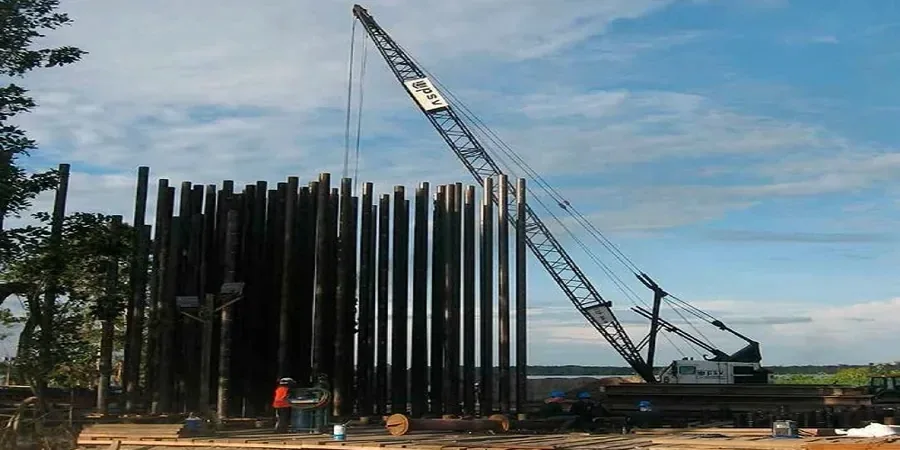
This category serves a diverse range of project types across Oceanside's built environment. Single-family residential construction on infill lots frequently requires foundations on fill analysis to verify compaction and long-term settlement performance of imported materials placed over native soils. Multi-story mixed-use developments along Coast Highway and Mission Avenue often demand driven pile design to bypass weak near-surface layers and achieve capacity in dense terrace deposits or bedrock. Commercial and industrial buildings in the San Luis Rey Valley may necessitate collapsible soil evaluation where moisture-sensitive alluvial silts are present, as sudden wetting can trigger rapid volume reduction and foundation distress. Public infrastructure, retaining walls, and solar array installations further rely on these specialized analyses to meet performance and safety standards.
Common questions
What are the most common foundation types used in Oceanside and what factors determine the choice?
The most common foundations in Oceanside include conventional shallow footings, post-tensioned slabs-on-grade, and deep foundations such as driven piles or drilled piers. Selection depends on the bearing stratum depth, soil expansiveness, liquefaction potential, groundwater elevation, and seismic design category. Shallow systems suit competent terrace deposits, while deep foundations are specified where weak alluvium, collapsible soils, or high liquefaction risk near waterways require load transfer to deeper competent layers.
How do coastal and marine conditions affect foundation durability in Oceanside?
Coastal conditions expose foundations to chloride-induced corrosion of reinforcing steel, sulfate attack on concrete, and scour from wave action or stormwater runoff. The high groundwater table near beaches and estuaries increases hydrostatic pressure and buoyancy forces on below-grade structures. Durability is addressed through concrete mix design (low water-cement ratio, supplementary cementitious materials), increased cover over reinforcement, corrosion-resistant coatings, and proper drainage systems to manage water away from foundation elements.
What role does a geotechnical investigation play in the foundation design process?
A geotechnical investigation is the essential first step, providing subsurface data through borings, cone penetration tests, and laboratory testing. It identifies soil stratigraphy, strength parameters, compressibility, expansion potential, and groundwater conditions. This data enables engineers to evaluate bearing capacity, estimate total and differential settlement, assess seismic hazards including liquefaction, and recommend appropriate foundation types. Without this investigation, designs risk non-compliance with CBC Section 1803 and potential structural failure.
Are there specific foundation requirements for projects located in FEMA flood zones within Oceanside?
Yes, structures in FEMA-mapped Special Flood Hazard Areas must comply with Oceanside's floodplain management ordinance and CBC requirements. Foundations must be elevated above the base flood elevation, designed to resist flood forces including hydrodynamic and debris impact loads, and constructed with flood-resistant materials below the design flood level. Deep foundations require scour protection, and fill placed to raise grades must be engineered to avoid adverse impacts on flood storage or adjacent properties.